2026-07-31 · Elena Vargas
Fall Leaf and Pollen Cleanup for Denver Short-Term Rentals
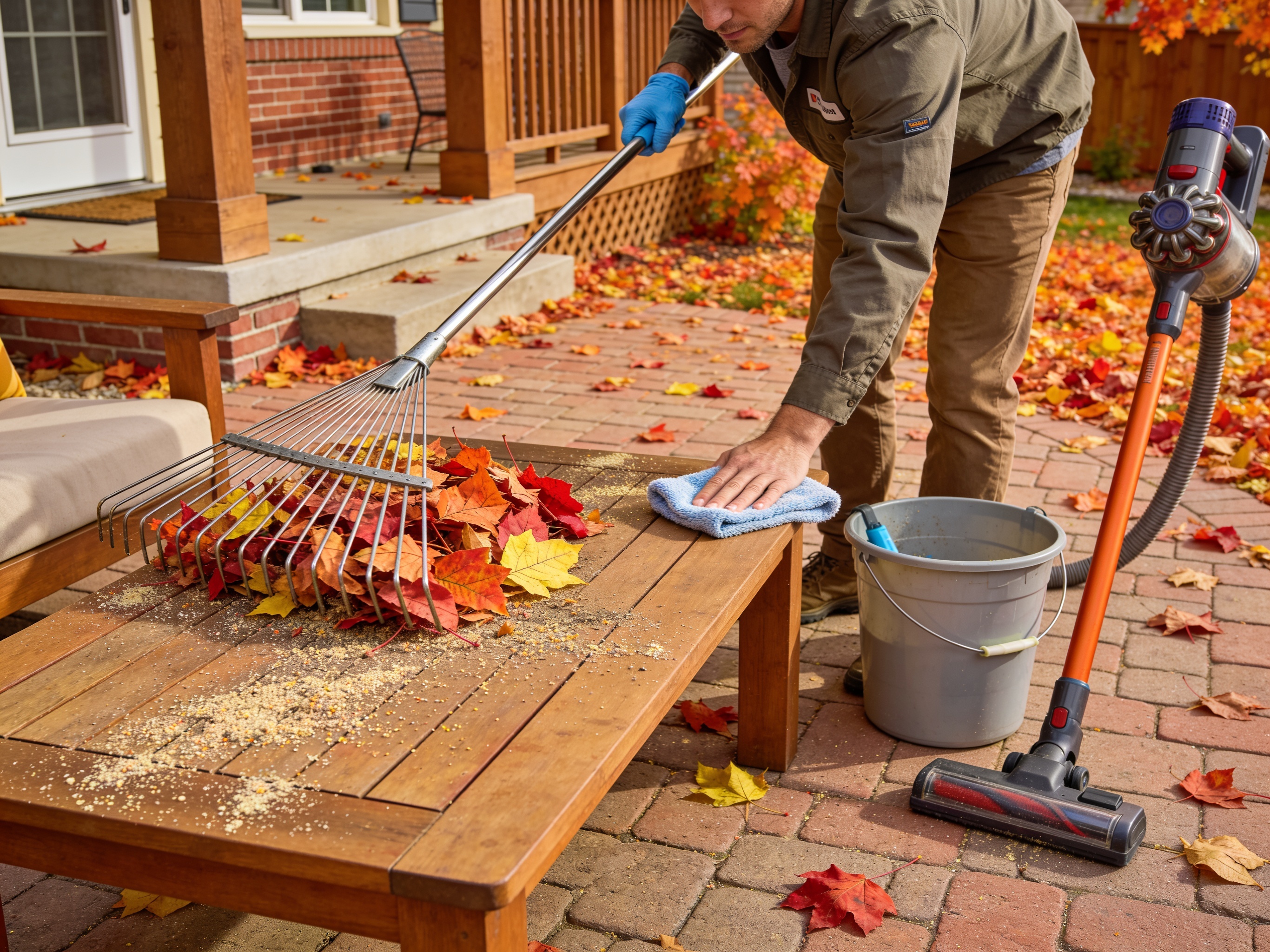
Denver short-term rentals require 3-5 hours of focused fall leaf and pollen cleanup per typical 2,000-square-foot property with a modest yard to clear debris before cold weather locks it in place. Properties in areas like Capitol Hill and RiNo often see heavy cottonwood and aspen leaf drop combined with lingering ragweed pollen that coats decks, walkways, and HVAC intakes. Starting this work in early October prevents staining on concrete and reduces the risk of mold when afternoon thunderstorms add moisture to piled leaves. The process integrates directly into turnover cleaning routines so hosts avoid extra vendor visits.
Understanding Denver's Fall Conditions
Denver's semi-arid climate brings sharp temperature swings in fall that accelerate leaf drop while keeping pollen airborne longer than in humid regions. Cold nights reaching the 30s combine with daytime highs in the 60s to dry out foliage quickly, creating fine dust that mixes with pollen and blows onto rental patios. Frequent afternoon thunderstorms add sudden moisture that mats leaves against siding and clogs gutters within hours. Hosts who track these patterns finish exterior cleanup two days before guest arrival to let surfaces dry fully. This timing also prepares properties for the transition into winter conditions that trap any remaining debris under snow.
Key Areas Affected in Local Neighborhoods
Yards and outdoor seating in Cherry Creek, Baker, and Washington Park collect the heaviest leaf loads from mature street trees that line most short-term rental blocks. Pollen settles on railings and window sills in Five Points and Park Hill where open lots allow wind to carry particles from nearby green spaces like City Park. Properties near Mount Evans experience earlier frost that browns leaves faster, requiring one additional pass to remove brittle fragments. Checking these micro-conditions during each turnover cleaning visit prevents guest complaints about slippery decks or visible residue on arrival photos.
Effective Cleanup Methods for Turnover Cleaning
Begin with a battery-powered blower set on low to move leaves into piles without scattering pollen into open windows. Follow with a 30-inch push broom to clear walkways and a wet vac to extract damp debris from corners where thunderstorms have packed material. Use a 50-foot extension cord and microfiber cloths dampened with water only to wipe railings and furniture rather than chemical sprays that may trigger guest allergies. For larger yards, a 6-mil contractor bag holds roughly 40 pounds of wet leaves before it risks tearing during transport. These steps fit within the 8am-6pm weekday window or Saturday 9am-2pm slot at 4242 Columbine St when crews stage equipment for multiple jobs.
Scheduling and Preparation Tips
Book the leaf and pollen work 48 hours before each scheduled turnover cleaning so rain from typical fall storms does not re-contaminate surfaces. Keep a shared calendar note for properties in Highland and LoDo that lists expected leaf volume based on tree count and prior season observations. Stock extra 33-gallon compostable bags and spare blower filters on the service vehicle to handle unexpected volume without returning to base. This preparation keeps the full Airbnb Turnover Cleaning sequence on schedule even when pollen counts spike after a warm spell.
Long-Term Benefits for Your Rental
Consistent fall cleanup reduces spring mold risk under melting snow and keeps exterior photos current for booking platforms. Guests notice clear walkways and pollen-free seating areas, which supports higher review scores without additional marketing effort. Linking this work to the next seasonal guide on snow and mud helps hosts plan year-round exterior care that protects property value across Denver County. Regular attention also extends the life of deck stain and outdoor furniture by three to four seasons when debris is removed before it can trap moisture.